Olive oil, a varietal product
There are said to be nearly 2000 recorded olive varieties in the world, compared with nearly 6000 grape varieties. In practice, for both olive oil and wine, some thirty varieties account for more than 90% of world consumption.
Different tastes
As with wine, different olive varieties produce olives and oils with different biological and sensory characteristics, which you start to tell apart as soon as you get to know and enjoy the finished products. A Merlot wine will be rounder and sweeter, with red fruit notes, and a Cabernet Sauvignon woodier and slightly more bitter, with notes of mushroom and forest floor. In the same way, an oil from the Spanish Picual variety will have much more body, with the taste and smell of fresh olives, green grass, nuts and figs, whereas an Arbequina oil will be much milder, sweeter in the mouth, with more delicate aromas and notes of fresh almond.
The best way to learn to recognise these differences in flavour, taste and aroma is to try single-variety oils and compare them.
We already do this, without realising it, when we choose a Burgundy rather than a Bordeaux: we prefer the sensory characteristics of Pinot Noir, the only grape in red Burgundy, to those of the blend based mainly on Merlot and Cabernet Sauvignon, the two main Bordeaux grapes. Terroir also influences taste, and the choice also depends on the dish: a light wine with a light dish, a subtle wine with a refined dish, a powerful wine with a strongly flavoured or spicy dish. Olive oil works in exactly the same way.
Depending on your taste, your mood and the dish, one variety will suit better than another. To go with white fish baked in the oven or shellfish quickly cooked in a pan, you need an aromatic but not too strong oil that enhances the flavours of fish and seafood without masking them: the Picudo and Hojiblanca varieties are particularly suitable. Cornicabra oil, on the other hand, is better suited to stews, meat in sauce and grills.
To keep things simple, extra virgin olive oils can be grouped into three main types, depending on the varieties they are made from. Their culinary uses vary by type.
 Intense
 Aromatic
 Mild
Single-variety oils and blends
There are single-variety olive oils, made from just one olive variety, and blends of several varieties.
Exactly as with wine, a single variety makes it easier to choose according to your taste and the dishes you are cooking, especially for varieties with very distinctive sensory characteristics.
Blends tend to "smooth out" flavours and remove rough edges. They are more complex, and therefore harder to decipher, and their culinary use is harder to pin down. For example, adding Hojiblanca to Picual reduces Picual's bitterness and gives it more fragrance.
Varieties also affect the composition of the oil. Some contain more antioxidants, vitamin E, omega-3 or omega-6 than others. A higher polyphenol content extends the oil's shelf life but makes it noticeably more bitter. Adding a polyphenol-rich variety such as Picual or Cornicabra therefore extends the shelf life of a blend while slightly raising its bitterness. Blends thus make it possible to balance the minor components and sensory characteristics of oils.
Some varieties
Origin and flavour type of some varieties.
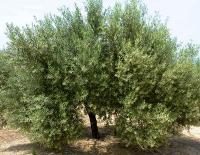
 Hojiblanca
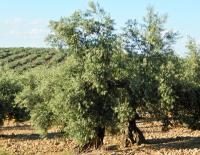 Picual
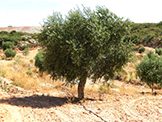 Arbequina
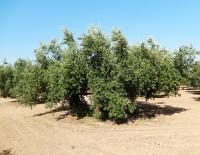 Picudo
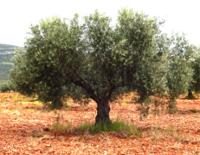 Cornicabra
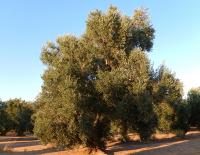 Empeltre
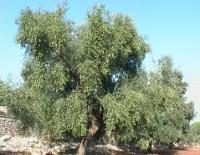
 Frantoio
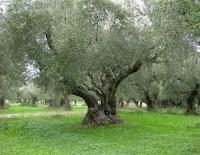
 Koroneiki

 Cailletier
 Picholine