A sacred substance
In antiquity, olive oil was considered an essential, sacred substance. It was believed to pass on to people the vigour and resilience of the olive tree, that almost eternal tree with a special link to the gods.
A food
It was the third pillar of the basic Mediterranean diet, made up mainly of cereals, wine and olive oil. In societies that ate little meat or dairy, olive oil supplied most of the fat. It was eaten simply with bread, as a dressing for vegetables or for cooking.
A cosmetic
In antiquity it was said that there were "two liquids very pleasant to the human body: wine inside and olive oil outside".
Cleansing: it was used to make soaps, shampoos and perfumes, and also as a make-up remover.
Protecting: women used it to moisturise their bodies and hands and to protect their hair, making it silkier and easier to untangle. Greek athletes rubbed it on to loosen their muscles before exercise, to protect themselves from blows, sun, wind and cold, and to limit sweating.
A medicine
It was taken as a potion to soothe stomach aches, applied as an ointment to soothe burns, irritation and itching, and used as warm drops with a little garlic for earache. Olive leaves were used as an astringent and purifying base; preparations of leaves and olive oil treated all kinds of inflammation, brought down fever and purged the gall bladder.
A household product
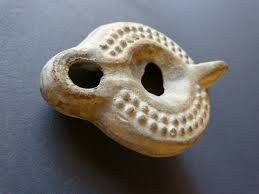
Olive oil fuelled the lamps that lit homes and was also used for heating. It was a lubricant for hinges, a protective and nourishing polish for leather and wood, and a polish for burnished metal, notably armour, helmets and swords.
A religious product
The olive tree was a symbol of fertility, wisdom and peace. At the ancient Olympic Games, winners received a simple olive branch, cut with a gold-handled knife from a wild olive tree; the Greeks believed the vitality of the sacred tree was thus passed on to the winner. Olive oil, a symbol of warmth and light (no doubt because of its household use), was used to anoint priests and kings.
A military product
Boiling hot, it was used as a weapon to repel attackers during sieges of fortified towns.